Small Things Grow Great by Concord

John Dickinson, the “penman of the Revolution,” on the anniversary of his death – read the first of his famous “Letters from a Farmer.”
What Would Madison Do?

In one of his final acts as president, James Madison did something almost unthinkable by modern standards: he vetoed a bill solely on Constitutional grounds.
Traitors to the American Revolution
The American Revolution was waged against a highly centralized, nationalistic, governmental tyranny…
Jefferson’s Union

Jefferson’s account of the nature of the Union–a voluntary contract among free and independent States in order to establish a common caretaker for few and enumerated things–contains a great deal of common sense
State Sovereignty: A Revolutionary Movement

A States’ Rights movement is in essence a revolution, an opposition to the urgency of political power to limit choice and compel adjustment to its will and must rest its case on this fact. It is a certainty that any attempt to cut down the power of the central government is a fatuous gesture unless there is some feeling for freedom in the country.
Freedom vs Consolidated Government

Sam Adams, on the anniversary of his birthday, wisdom on state sovereignty.
The States Rights Tradition No One Knows
If the federal government has the exclusive right to judge the extent of its own powers it will continue to grow – regardless of elections.
Giving a Voice to the Jeffersonian Tradition

Thomas Jefferson: “the support of the state governments in all their rights, as the most competent administrations for our domestic concerns and the surest bulwarks against anti-republican tendencies”
Jeffersonian or Hamiltonian?

The battle between Jefferson and Hamilton is of very great significance, and precisely because it represented a clash between two fundamentally contrasting systems of political principle.
The Origin of Power is the People

Wrote Elbridge Gerry: “the origin of all power is in the people, and that they have an incontestible right to check the creatures of their own creation”
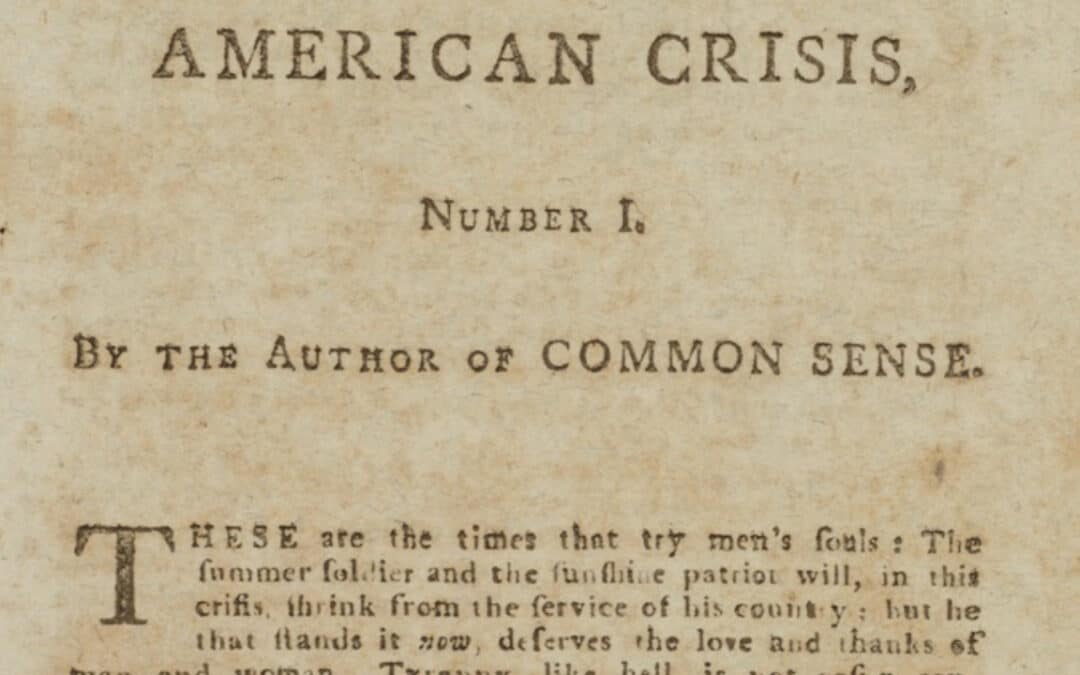
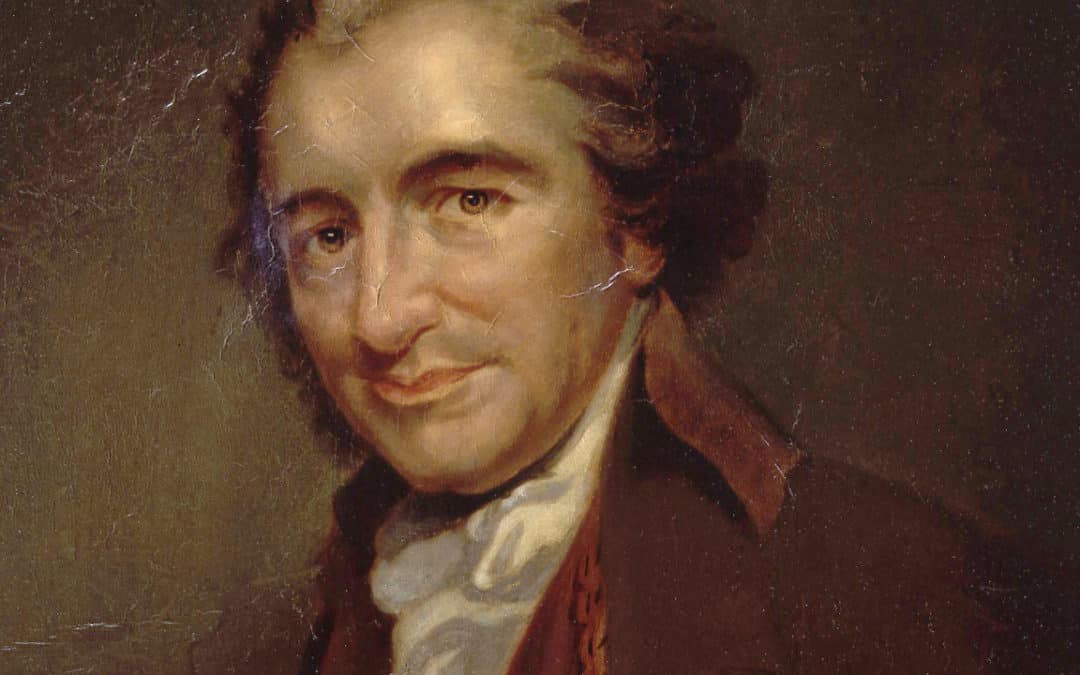
Thomas Paine: Bicentennial of a Patriot

Paine was more than just a pamphleteer for the cause of freedom. He was a serious political philosopher, as the following excerpt from The Rights of Man demonstrates.
The Founders Knew Latin

Their vision was for the United States to be a union of sovereign states as opposed to a consolidation of the states into “one nation, indivisible” – and this reality is embedded in the very word “federal.”
Happy Birthday, Thomas Jefferson

Thomas Jefferson, third president of the United States of America, was an architect, a philosopher, a Deist and an impeccable prose stylist. His passionate appeal to dissolve ties with England—the Declaration of Independence—led the early colonies to war and ultimately freedom. As president, he earned respect for his sound principles and industrious nature, though his private life has been subjected to intense scrutiny.
Nullification: The Jeffersonian Brake on Government
by Thomas E. Woods, The Freeman Thinkers in the classical-liberal tradition, to the extent that they support a coercive state at all, speak routinely of the importance of keeping government strictly limited. To that end, the United States has a written Constitution, which enumerates the relatively brief list of tasks entrusted to the federal government [...]
Hypocritically Correct
by Brad Berner Amendment X The powers not delegated to the United States by the Constitution, nor prohibited by it to the States, are reserved to the States respectively, or to the people. Hypocrisy and politicians! There is nothing new in this love-match made by Cupid’s arrow of self-interest, right? Wrong, in the current flurry [...]