
The 10th Amendment

“The powers not delegated to the United States by the Constitution, nor prohibited by it to the States, are reserved to the States respectively, or to the people.”

LEARN MORE

01

Featured Articles

On the Constitution, history, the founders, and analysis of current events.

featured articles

02

Tenther Blog and News

Nullification news, quick takes, history, interviews, podcasts and much more.

tenther blog

03

State of the Nullification Movement

232 pages. History, constitutionality, and application today.

get the report

01

Path to Liberty

Our flagship podcast. Michael Boldin on the constitution, history, and strategy for liberty today

path to liberty

02

maharrey minute

The title says it all. Mike Maharrey with a 1 minute take on issues under a 10th Amendment lens. maharrey minute
03

more

interviews

thoughts from maharrey head

speeches

other voices

Tenther Essentials

2-4 minute videos on key Constitutional issues - history, and application today

TENTHER ESSENTIALS

Join TAC, Support Liberty!

Nothing helps us get the job done more than the financial support of our members, from just $2/month!

JOIN TAC

01

The 10th Amendment

History, meaning, and purpose - the "Foundation of the Constitution."

10th Amendment

02

Major Clauses

supremacy clause

commerce clause

general welfare clause

necessary and proper clause

03

Nullification

Get an overview of the principles, background, and application in history - and today.

nullification

Tenth Amendment Center
  • home
  • essential reading
  • essential reading
    • featured articles
    • tenther blog
    • state of the nullification movement report
  • audio/video
  • audio/video
    • path to liberty
    • maharrey minute
    • interviews
    • thoughts from maharrey head
    • tenther essentials
    • speeches
  • constitution 101
  • constitution 101
    • 10th amendment
    • supremacy clause
    • commerce clause
    • general welfare clause
    • necessary and proper clause
    • nullification
  • updates
  • donate
  • store
  • join TAC
  • login
Select Page
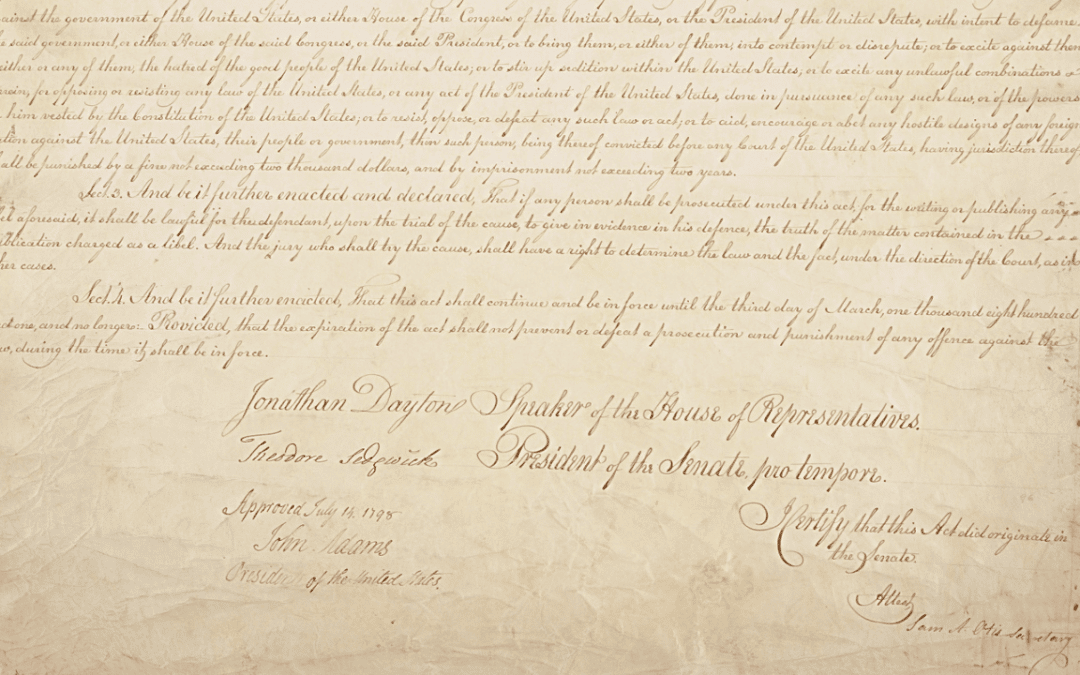
The Sedition Act of 1798: Silencing Dissent and Sparking Resistance

The Sedition Act of 1798: Silencing Dissent and Sparking Resistance

by Michael Boldin | Jul 14, 2022 | 1st Amendment, History, Kentucky and Virginia Resolutions

The Sedition Act of 1798 marked one of the most extreme restrictions on free speech in American history, criminalizing criticism of the government and making it illegal to publish anything that could “bring them or either of them into contempt or disrepute.” The law...
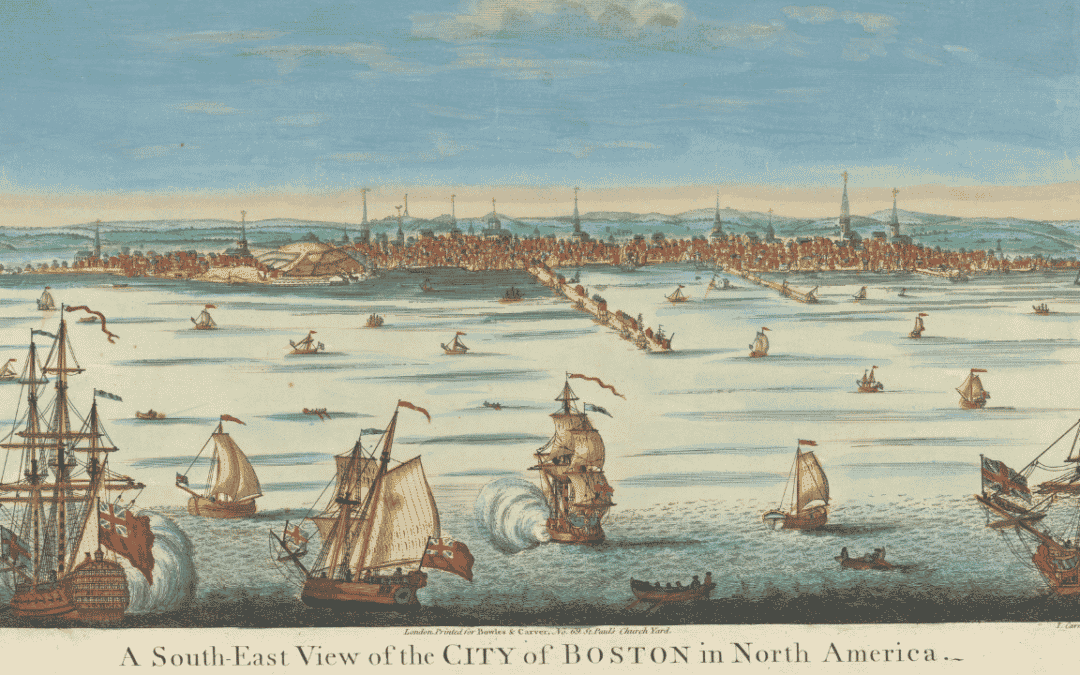
Refuse to Cooperate: How the Colonies Responded to the Boston Port Act

Refuse to Cooperate: How the Colonies Responded to the Boston Port Act

by Mike Maharrey | May 31, 2022 | American Revolution

James Madison gave us a blueprint to stop “unwarrantable” government actions (or even “warrantable” actions that happen to be unpopular) in Federalist #46. Madison wrote that “a refusal to cooperate with officers of the union” would...
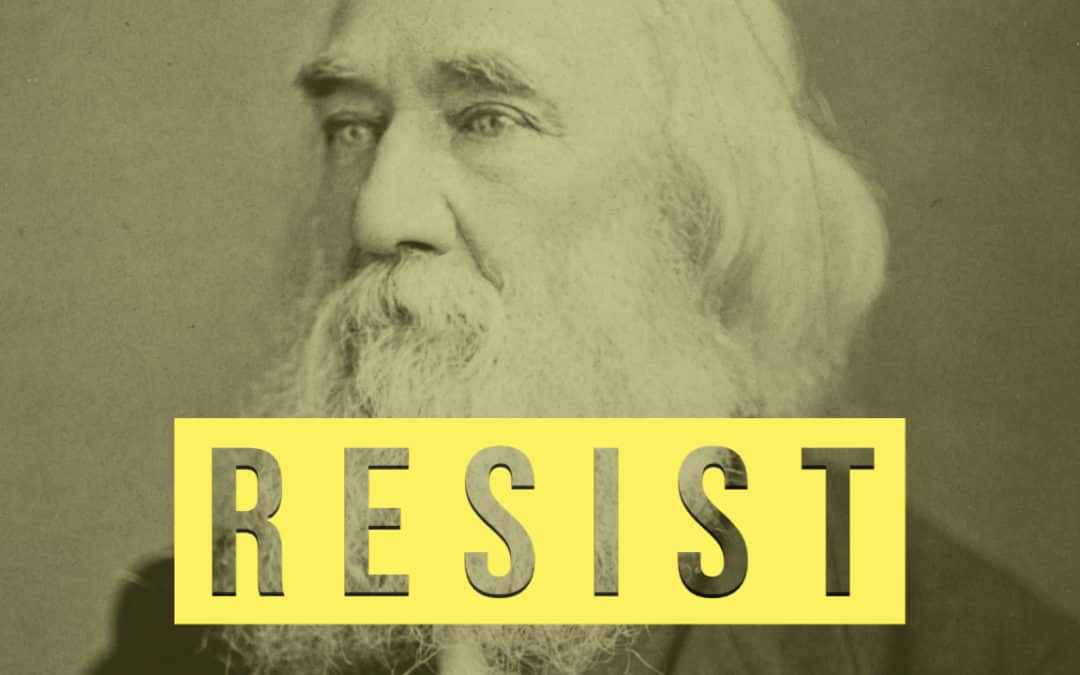
Lysander Spooner’s Strategy to Stop Unconstitutional Acts

Lysander Spooner’s Strategy to Stop Unconstitutional Acts

by Mike Maharrey | May 29, 2022 | Strategy

Resist. That was Lysander Spooner’s strategy to stop unconstitutional acts that was very much in line with James Madison and other prominent founders. Spooner was a prominent 19th-century abolitionist. He is well-known in libertarian circles for saying the...

The Original Meaning of “Necessary” in the Necessary and Proper Clause

The Original Meaning of “Necessary” in the Necessary and Proper Clause

by TJ Martinell | May 19, 2022 | Necessary and Proper Clause

One of the most significant (and often abused) clauses in the U.S. Constitution is the “Necessary and Proper” Clause. The clause states: “The Congress shall have Power… To make all Laws which shall be necessary and proper for carrying into Execution the...
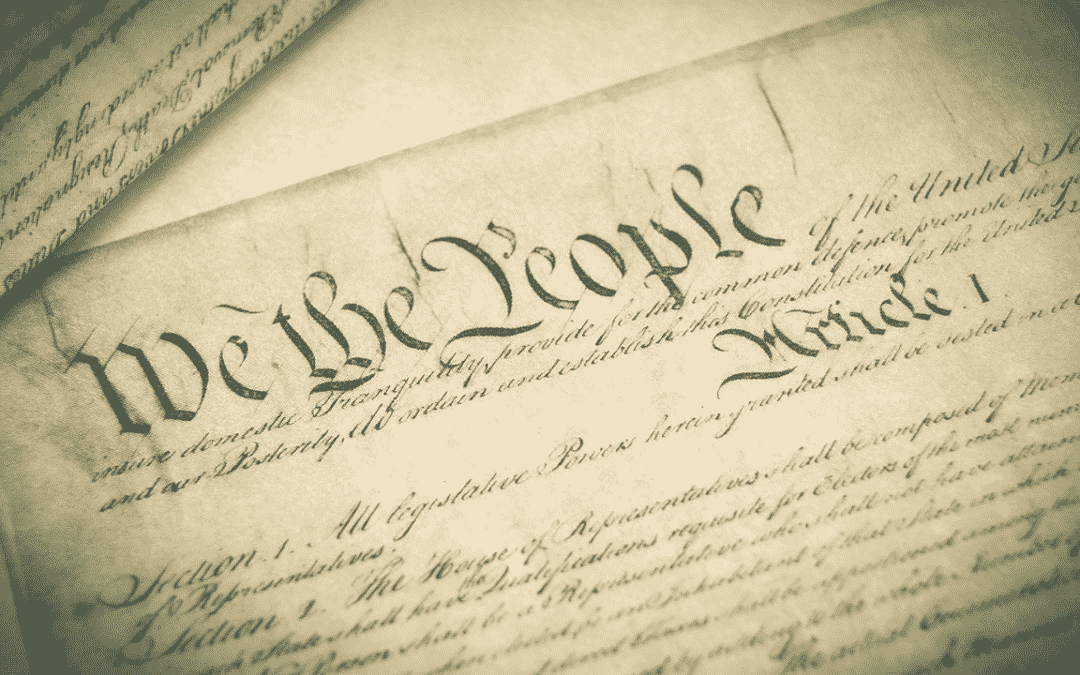
Separation of Powers: A “Dogmatic Maxim” in the Constitution

Separation of Powers: A “Dogmatic Maxim” in the Constitution

by Michael Boldin | May 4, 2022 | Bill of Rights, Constitution, Founding Principles, James Madison

James Madison considered the separation of powers so important he not only called it a “dogmatic maxim,” he expressly included it as part of his proposed amendments for the Bill of Rights. Representing the twin-pillars making up the foundation of the Constitution,...
« Older Entries
Next Entries »
Free Email NewsletterRSS: Subscribe Here

Concordia res parvae crescunt

Small things grow great by concord…

JOIN US

Tenth Amendment Center

“The powers not delegated to the United States by the Constitution, nor prohibited by it to the States, are reserved to the States respectively, or to the people.”

FOLLOW US

  • Follow
  • Follow
  • Follow
  • Follow
  • Follow
  • Follow
  • Follow
Donate

Get in Touch

Login

Forgot your password?

MAIL:
4000 Barranca Parkway, Suite 250
PMB 705
Irvine, CA 92604

PHONE:
213-471-9640