Bill of Rights
Bill of Rights: Forgotten Role of the 10th Amendment in Its Creation
The Bill of Rights was born from intense battles between Federalists and Anti-Federalists over delegated and reserved powers. This clash not only shaped its contested origins but also left its true purpose misunderstood to this day. 1. Initial Efforts Rejected During...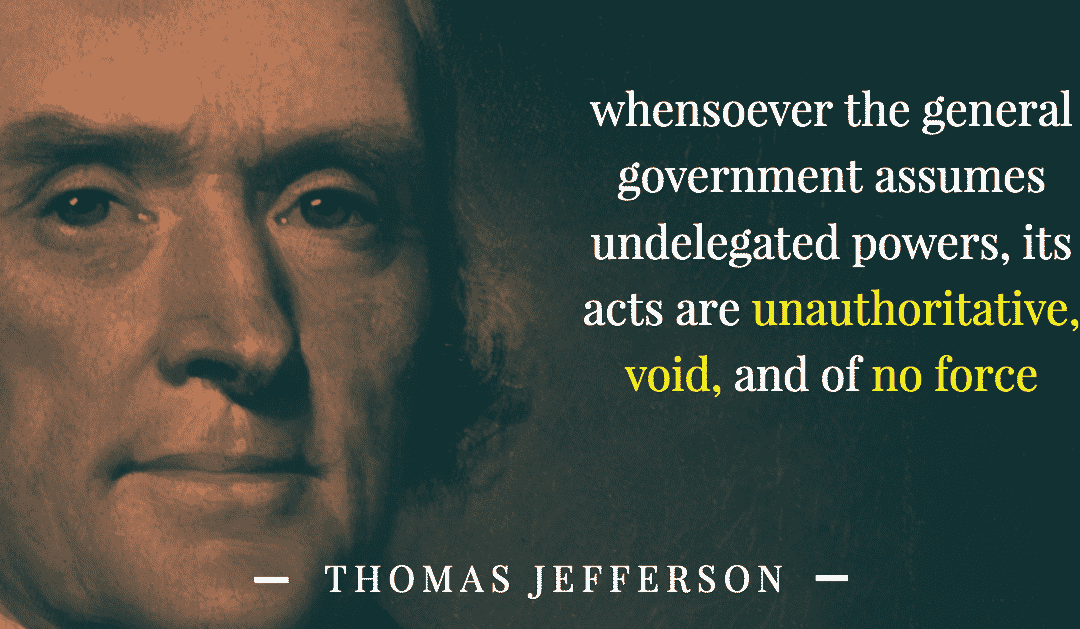
Kentucky Resolutions of 1798: Jefferson on the Constitution’s Structure and How to Defend It
“A nullification of the act is the rightful remedy.” That’s how Thomas Jefferson put it in his draft Resolutions against the Alien and Sedition Acts. On November 10, 1798, the Kentucky house passed resolutions based on his principles. They not only...
The Right to be Left Alone
The Fourth Amendment to the U.S. Constitution guarantees the right to privacy. Like other amendments in the Bill of Rights, it doesn’t create the right; it limits government interference with it. Shortly before he announced his withdrawal from the presidential...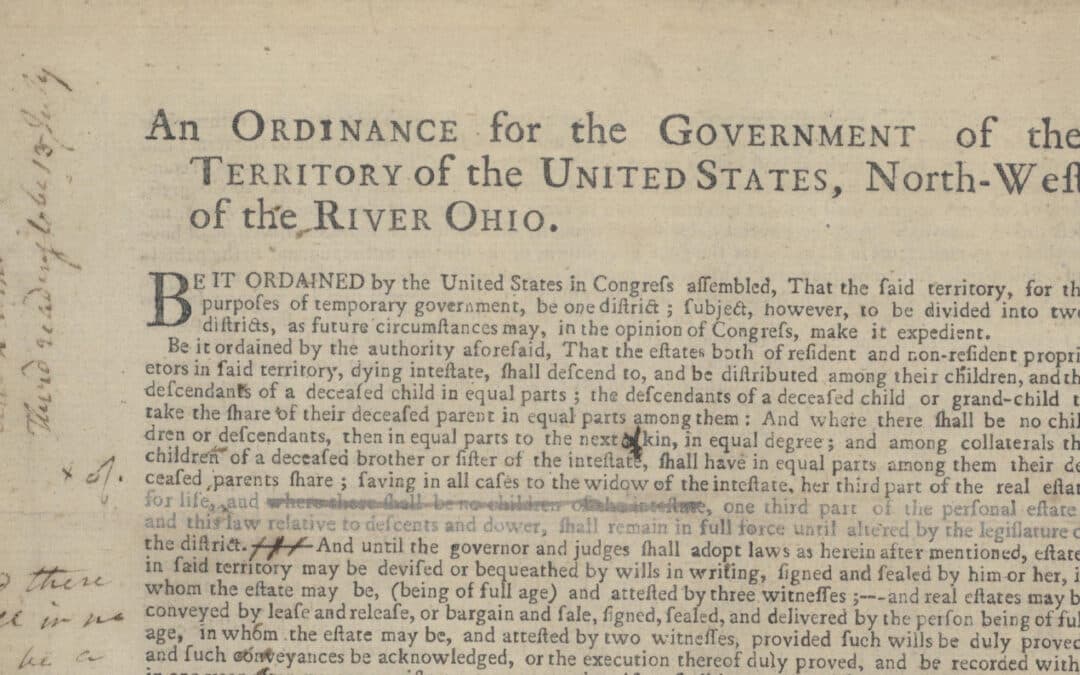
Northwest Ordinance: Landmark 1787 Law Set the Foundation
On July 13, 1787, the Confederation Congress passed the Northwest Ordinance, one of the most important and influential acts of the early republic. It established a bill of rights years before one was added to the Constitution, and prohibited slavery in the territory...