
The Constitution.
Every issue, every time. No exceptions, no excuses. Email NewsletterBecome a MemberThe Tenth Amendment:
“The powers not delegated to the United States by the Constitution, nor prohibited by it to the States, are reserved to the States respectively, or to the people.”
The Fight is Still On
Latest Featured Articles

The Reasons the Constitution Exists
A Republic or an Empire?
The Top-5 Tools of Tyranny
The Declaration of Independence: Its Debt to History
From the Blog
- Constitution Enforcement: 6 Ignored Steps That Actually Workby Michael Boldin on July 22, 2026 at 5:53 pm
The founders knew exactly what it takes to deal with unconstitutional power. How that gets done? […]
- Constitution: The REAL Reason it Even Exists.by Michael Boldin on July 15, 2026 at 5:38 pm
The founders knew - freedom cannot exist with a government - that doesn’t have strict rules, a […]
- The Foundation of the Constitution: Top-5 Principles from the American Revolutionby Michael Boldin on July 12, 2026 at 6:29 pm
Thomas Jefferson called the 10th Amendment the "foundation of the Constitution," and for good […]
- Five Weapons. One Target: Your Freedom.by Michael Boldin on June 24, 2026 at 5:38 pm
The top tools of tyrants aimed right at your liberty. Washington, Webster, Paine, Madison, and more […]
STATE OF THE NULLIFICATION MOVEMENT
Latest Videos
[yotuwp type=”channel” id=”UCE1KT9DTZCQtf3PmAmWwOIA” ]
JOIN TAC, Support Liberty!
CONSTITUTION 101
The 10th Amendment: History, Purpose and Impact
The Supremacy Clause
Nullification
The Commerce Clause
Necessary and Proper Clause
General Welfare Clause
FREE EBOOKS
The Virginia Ratifying Convention and the Birth of the 10th Amendment
While the essays found in the Federalist Papers provide an intellectual argument in favor of the Constitution, it was at the conventions where its supporters had to confront the specific concerns of skeptics and opponents. Of all them all, the Virginia Ratifying Convention – held June 2-27, 1788 – may offer the best insight into what kind of government the Constitution created.
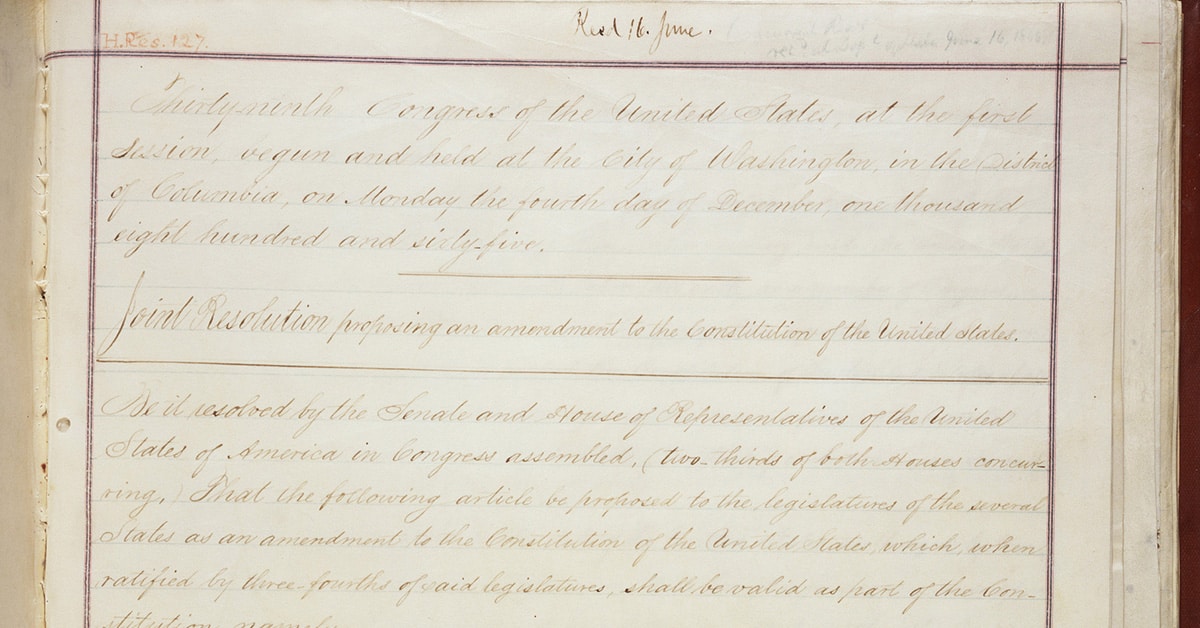
The 14th Amendment and the Incorporation Doctrine
Gaining a complete grasp on the 14th Amendment is one of the more mind-boggling and complicated aspects of constitutional interpretation. It is also one of the most important, and anybody embarking on a thorough study of history will likely formulate contempt toward the impulses of modern judicial orthodoxy.
The Jefferson Letters, Vol. 1: The Kentucky and Virginia Resolutions
As Thomas Jefferson and James Madison strategized on how to address the Alien and Sedition Acts, they corresponded by mail, discussing their ideas. Ten key letters give further insight into their strategy. Their correspondence reveals that the resolutions were merely intended to serve as a starting point, setting the stage for additional, more aggressive steps to stop the federal overreach.
The Constitution and the Report of 1800
James Madison composed a document commonly known as the Virginia Report of 1800. While it was specifically written as a defense of the Virginia Resolutions of 1798, a close reading of the report provides a detailed analysis and keen insights into several of these key constitutional issues. Madison effectively obliterated arguments apologists for federal power were using to justify ignoring the First Amendment, separation of powers, and other constitutional provisions meant to limit federal authority.
NEWSLETTER
MODEL LEGISLATION