
Necessary and Proper Clause
Why McCulloch v. Maryland – now 200 years old – is not a “big government” manifesto
This year marks the 200th anniversary of the Supreme Court’s ruling in McCulloch v. Maryland. In that case, Chief Justice John Marshall upheld Congress’s power to charter a national bank—a distant forerunner of the modern Federal Reserve System. Nearly all...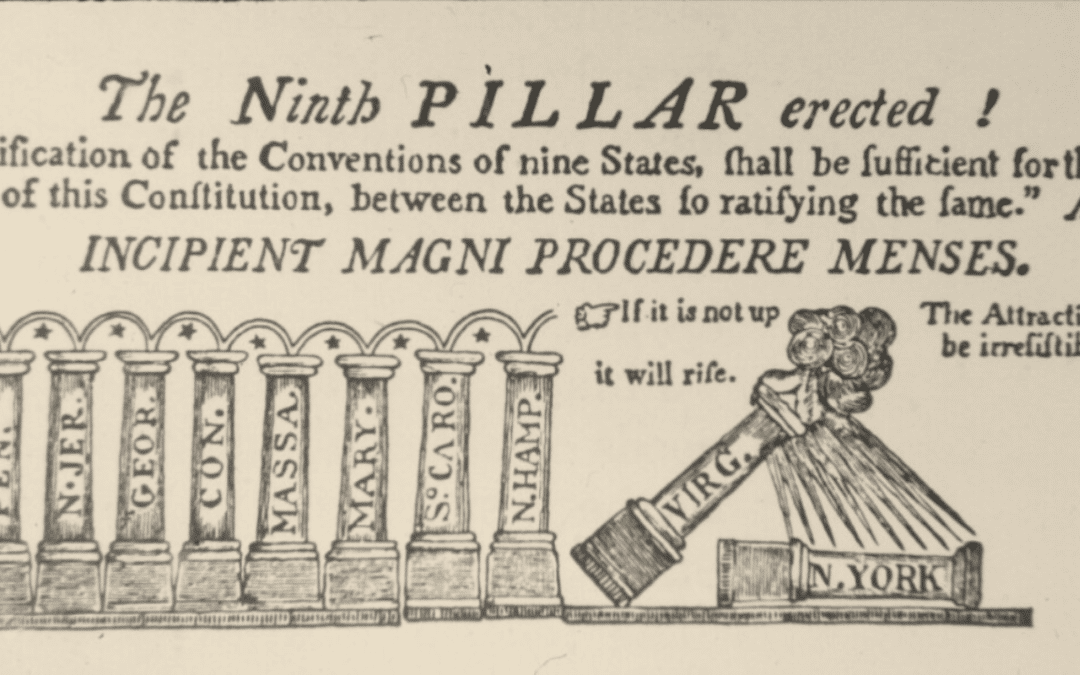
New evidence on the meaning of the Necessary and Proper Clause
The Constitution’s Necessary and Proper Clause (Article I, Section 8, Clause 18) provides: The Congress shall have Power . . . To make all Laws which shall be necessary and proper for carrying into Execution the foregoing Powers, and all other Powers vested by this...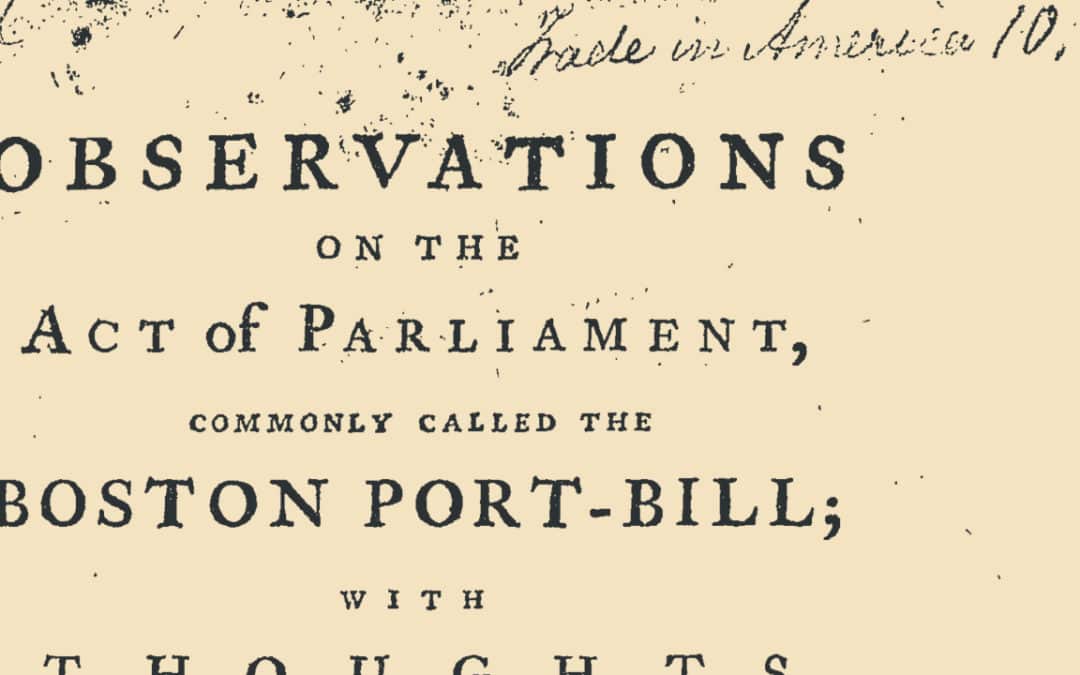
A Colonial Pamphlet Helps Show Why the Constitution’s Necessary and Proper Clause Granted No Power
As I have noted before (for example, here and here) pamphlets written in support of the colonial cause during the years 1763-1774 help us greatly in understanding the language of the Constitution. Unfortunately, most constitutional writers regularly overlook those...
Does the Necessary and Proper Clause Grant “Broad Authority” to Congress? Actually, None at All
Probably no part of the Constitution has been so misunderstood as the Necessary and Proper Clause, which is located at Article I, Section 8, Clause 18. The Necessary and Proper Clause has been called both an “elastic clause” and a “sweeping clause,” and many have...